A hard session leaves its mark. Legs heavy, shirt salty, heart rate slow to settle. Most athletes have felt the day-after drag that tells you recovery fell short. Hydration and nutrition do the heavy lifting of repair, but the practical gaps are obvious. You leave the gym or finish a long run, your stomach is queasy, appetite is off, or travel gets in the way. That is where post-workout IV therapy enters the conversation. The promise is simple: rapid fluid replacement and targeted nutrients delivered directly into the bloodstream.
I have worked with endurance athletes, strength clients coming out of tournament weekends, and busy professionals who wedge their training between flights. Intravenous therapy is not a magic wand, and it is not for everyone, but when used thoughtfully it can close real recovery gaps. This guide unpacks what IV drip therapy can and cannot do, how it works, and where it fits among proven recovery strategies.
What intravenous therapy actually delivers
Intravenous therapy, also called IV infusion therapy or IV fluid therapy, means fluids and dissolved substances travel directly into a vein. Instead of relying on the digestive tract to absorb water and nutrients, the IV places them in the intravascular compartment at once. In a post-exercise context, most clinics offer hydration IV therapy as a liter or half-liter bag of isotonic fluid such as normal saline or Lactated Ringer’s. The term vitamin IV therapy or vitamin drip refers to mixes that add micronutrients like B vitamins, vitamin C, magnesium, and sometimes amino acids.
An IV vitamin infusion bypasses the gut bottleneck. Oral absorption of water and electrolytes is generally excellent when the stomach cooperates, but it slows with nausea, heat illness, and gastrointestinal upset. Intravenous therapy sidesteps those obstacles. That is the core mechanic. Everything else is add-ons and nuance.
Rehydration physiology in plain terms
After intense training, especially in heat or humidity, two things have shifted. First, your total body water has dropped. Second, the balance of electrolytes like sodium, potassium, magnesium, and chloride has changed. Sweat is mostly water and sodium, but the exact composition varies. A runner might lose 0.5 to 2.0 liters per hour and 0.5 to 1.5 grams of sodium per liter depending on genetics and conditions. If you finish a session two liters down with high sodium loss, drinking plain water alone can dilute blood sodium and delay full rehydration. That is why oral rehydration solutions add salt and glucose.
IV hydration therapy places isotonic fluid into the circulation so plasma volume rebounds immediately. That improves blood flow to muscles and skin, supports blood pressure, and can make you feel markedly better within 15 to 30 minutes. Electrolyte-containing solutions, especially those with sodium, help retain fluid in the intravascular and interstitial spaces rather than sending it straight to urine. Lactated Ringer’s is slightly more physiologic than saline for many athletes because it includes sodium, chloride, potassium, calcium, and lactate, which the liver can convert to bicarbonate. Normal saline is still widely used and effective for simple rehydration.
Nutrients added to an New Providence IV nutrient therapy IV bag enter circulation at once, then distribute to tissues or get filtered by the kidneys and liver. The upside is quick availability. The downside is that the body still regulates what it uses. A gram of vitamin C will not force a gram’s worth of benefit if tissues have what they need. Excess is excreted.
What the evidence says, and where it is thin
Clinical medicine has decades of experience with IV rehydration. In dehydration from gastroenteritis, heat illness, or postoperative fluid deficits, IV fluid infusion improves vital signs and shortens recovery. That is the gold-standard context for IV rehydration therapy.
For healthy athletes, the performance and recovery data are more modest. Studies comparing oral rehydration with IV rehydration after exercise-induced dehydration often show similar restoration of total body water over a few hours. IV can be faster in the first hour and may subjectively feel better, especially when nausea limits drinking. Despite the fast rebound in plasma volume, repeat-time-trial performance later the same day has shown mixed results. Some athletes perform similarly after either approach if they are allowed enough time to rehydrate.
Vitamin and amino acid infusions are less well studied in athletic recovery. B vitamins are essential for energy metabolism, but deficiency in trained adults with adequate diets is uncommon. Vitamin C supports collagen turnover and immune function, yet supra-physiologic doses have not consistently improved muscle soreness or strength recovery in healthy subjects. Magnesium can help if you are low, and many heavy sweaters are. Glutathione and carnitine have biologic plausibility but limited outcome data in this setting.
To make this practical: IV infusion treatment is strongest when there is a true barrier to oral rehydration or a clear electrolyte issue, when time to normalize plasma volume matters, or when specific deficiencies are documented. For routine training with normal appetite and gut function, oral fluids and food remain adequate for most people.
Who benefits most after a workout
I have seen IV hydration therapy shine in a few scenarios. The first is the athlete who leaves a long brick session in the heat with mild nausea, a headache, and a heart rate that stays elevated longer than usual. Oral intake goes poorly for hours, and the next day is wrecked. A half-liter to a liter of Lactated Ringer’s with sodium-focused electrolyte therapy often flips the switch, easing symptoms and stabilizing vitals quickly.
The second is the tournament or race environment with back-to-back efforts on the same day. Wrestlers, CrossFit competitors, and soccer players sometimes face short recovery windows. Though not a performance enhancer in a chemical sense, rapid volume restoration can steady legs and cognition when time is tight.
A third group includes travelers who train immediately after landing or at altitude. Sleep debt, dry cabin air, and circadian disruption increase perceived exertion. A hydration drip can correct volume status faster than nursing a bottle in a groggy state.
Finally, there are medical cases where physician led IV therapy is appropriate: migraines triggered by heat and exertion, flares of postural orthostatic tachycardia, or severe cramping associated with known sodium loss. An infusion clinic staffed by a registered nurse and overseen by a licensed provider is the right setting.
What a post-workout IV generally contains
Most recovery IV drip menus revolve around a few building blocks.
Fluids set the foundation. A 500 to 1000 milliliter bag is common, adjusted for body size, blood pressure, and the degree of dehydration. Those with smaller frames or heart conditions should start lower. Isotonic solutions are preferred to avoid shifts in plasma osmolality.
Electrolytes matter most for retainment and neuromuscular function. Sodium is the priority after heavy sweat loss. Potassium replenishment is helpful, but needs care if kidney function is reduced or if you already took supplements. Magnesium can settle muscle twitching and improve sleep quality for some. A typical IV electrolyte therapy approach uses the amounts built into Lactated Ringer’s, with targeted additives when indicated.
B vitamins appear in many wellness drip offerings because they support energy pathways. B12 and B complex can raise perceived energy, particularly in those with marginal intake or higher alcohol use, but do not expect a superhuman lift if your levels are normal.
Vitamin C is popular in immune support IV drips. For recovery, moderate doses in the 500 to 1000 milligram range aim to support antioxidant capacity without blunting training adaptations. Very high doses right after strength sessions may theoretically dampen the cellular stress signal that drives gains, though human data are mixed.
Amino acids show up in some performance IV therapy mixes. Branched-chain amino acids have not outperformed standard protein for recovery when taken orally. Intravenous amino acids are usually reserved for clinical nutrition and are not routine in athletic IVs.
Other add-ins, from zinc to glutathione, occupy a gray zone. If you have a lab-confirmed deficiency or a clinician’s rationale, they can be reasonable. Blind stacking increases cost without clear return, and it complicates safety.
Safety first: what to screen and watch
IV treatment is a medical procedure. Even when delivered in a spa-like IV drip clinic, it deserves the same caution you would give to any intervention that enters your bloodstream. Infection and phlebitis are rare with proper sterile technique, but the skin puncture is still a portal. Infiltration, where fluid leaks into the tissue around the vein, causes swelling and discomfort that usually resolves but sometimes needs attention.
Electrolyte shifts can be meaningful. Too much fluid too quickly may worsen hyponatremia if sodium loss was high and the IV carries little sodium. Conversely, aggressive sodium replacement in someone who is not salt depleted can drive thirst and bloating. Magnesium can relax smooth muscle and lead to flushing or a drop in blood pressure if dosed too high. Vitamin C is generally safe at moderate doses, but high doses are contraindicated in people with G6PD deficiency or a history of oxalate kidney stones.
People with chronic kidney disease, heart failure, or uncontrolled hypertension should avoid routine IV fluid infusion unless their physician directs it. Those on diuretics, ACE inhibitors, or ARBs warrant extra care with potassium. Pregnancy belongs in the physician led category, not a walk in IV therapy setting. If you have a history of fainting with needles, mention it. Positioning and monitoring can reduce risk.
One more point for competitive athletes: anti-doping rules limit IV infusion volumes. Under WADA, infusions over 100 milliliters per 12 hours are prohibited except with a therapeutic use exemption for legitimate medical reasons. Always check your sport’s current regulations before booking an IV therapy session.
How a session usually unfolds
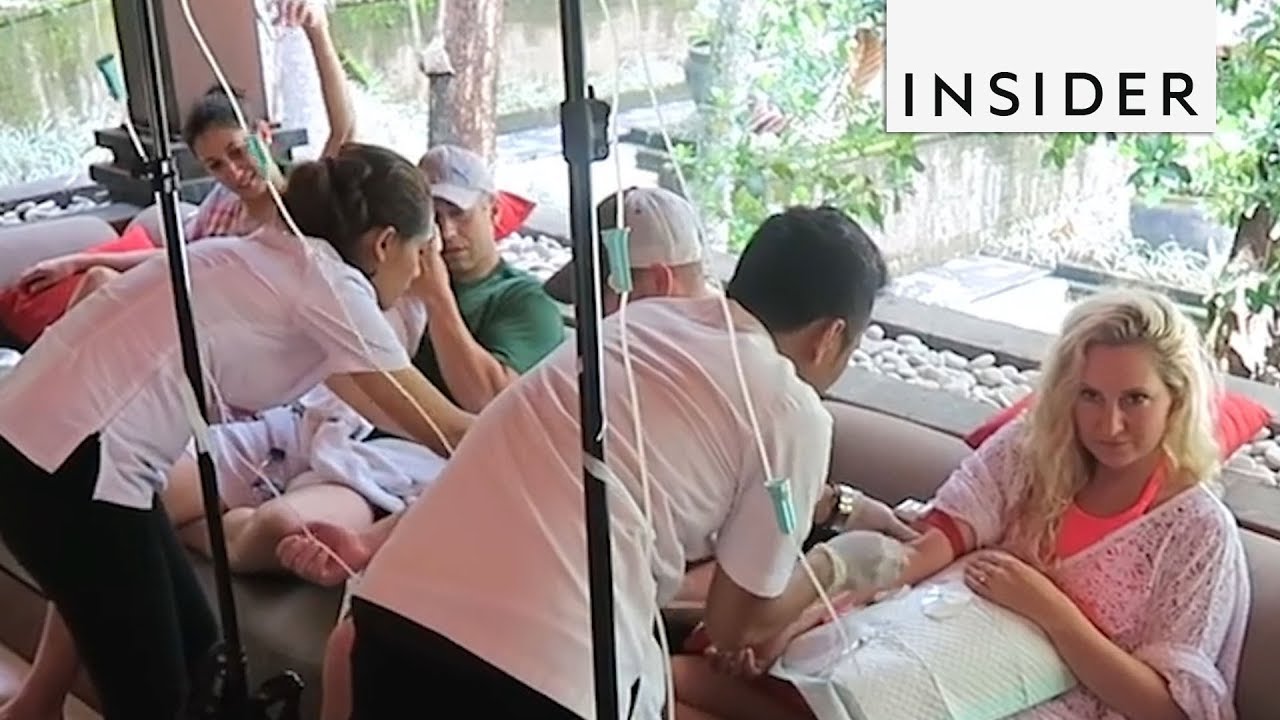
For people new to IV infusion services, uncertainty about the process is the biggest barrier. A credible IV therapy clinic or mobile IV therapy provider will do a brief intake, check vitals, review medications and allergies, and tailor the bag. In my experience, the entire visit runs 45 to 75 minutes.
- Intake and screening: medical history, current symptoms, training details, recent illness, and goals. Expect blood pressure, heart rate, and a quick orthostatic check when appropriate. Selection and consent: the clinician suggests a solution, explains risks and benefits, reviews alternatives like oral rehydration, and obtains consent. IV start and infusion: a registered nurse places the catheter, secures it, and sets the drip. Most post-workout bags run over 30 to 60 minutes to avoid overload. Monitoring and adjustment: vitals may be rechecked midway. If you feel lightheaded or flushed, the rate is slowed or the bag is paused. Post care: the catheter is removed, the site is dressed, and you receive guidance on additional oral fluids, sodium intake, and activity for the rest of the day.
If you prefer at home IV therapy, confirm the in home IV drip team brings sterile supplies, sharps disposal, and a stethoscope and blood pressure cuff. Ask who is supervising the registered nurse and how to reach the provider if something feels off.
Timing relative to training
Striking the right window depends on your training plan. If you have another event the same day and oral intake is not going well, same day IV therapy within the first hour is reasonable. When you are refueling for the next day rather than the next hour, there is less urgency. Many athletes will do fine sipping 1 to 1.5 liters of oral fluids with sodium over the next few hours and reserving IV fluid therapy for when signs of dehydration persist.
If you plan a vitamin-rich wellness IV therapy, schedule it away from heavy strength sessions. A separate day or later in the evening can avoid interfering with the cellular stress that prompts adaptation. For endurance work, timing is less sensitive, but the same principle holds.
What IV therapy feels like afterward
Most people notice a clear uptrend in alertness and steadier heart rate recovery within an hour. The classic feedback is that the fog lifts and the mild headache dissolves. Urine often becomes more frequent and paler over the next few hours. Sleep can improve, especially when magnesium is part of the mix. If you feel puffy or notice hand swelling, you likely took in more fluid than needed or retained sodium. That effect usually fades by the next day. Persistent dizziness, chest discomfort, or shortness of breath are not normal and warrant medical evaluation.
How IV therapy fits with the basics
Nothing in an IV bag replaces the long-term recovery pillars: adequate calories, quality protein spaced through the day, carbohydrate restoration in proportion to training load, sleep, and periodization. Think of an IV as one tool in the box, useful in narrow but important cases. If you train five days a week and feel the need for frequent IVs to stay afloat, the program or your daily intake needs a rethink.
I keep simple targets as a first filter. After long heat sessions, aim to replace 125 to 150 percent of body mass lost within four to six hours. If you dropped 1 kilogram, that is roughly 1.25 to 1.5 liters of fluids with sodium. Monitor urine color and body weight. If gastric upset blocks this for more than two hours and symptoms persist, an IV rehydration therapy session is reasonable.
Cost, access, and value
Prices vary by region and by whether you go to a clinic or choose mobile IV therapy. In most U.S. cities, a basic hydration drip ranges from about 100 to 200 dollars in an iv drip clinic. Add-ons like vitamin B complex, vitamin C, or magnesium often bump the price by 20 to 50 dollars each. At home IV therapy tends to cost more, often 150 to 350 dollars, reflecting travel and time. Some clinics bundle iv therapy packages for teams or offer membership discounts.
If you are searching phrases like iv therapy near me or iv infusion near me, widen the filter beyond proximity. Look for a physician led IV therapy practice or an iv infusion clinic that clearly lists supervising credentials. Ask if a registered nurse will place the line, whether they use ultrasound guidance for tough veins, and how they handle emergencies. Affordable IV therapy does not have to mean corner cutting.
Insurance rarely covers elective post-workout infusions. If a clinician orders IV fluid infusion for a medical diagnosis like dehydration, migraine, or food poisoning, that falls in a different billing category and may be reimbursed in traditional medical settings. Community drip bars tend to operate on cash pricing.
Personalization beats a one size fits all menu
The best iv nutrient therapy is built around your sweat profile, your training block, and your history. Heavy salty sweaters with salt rings on hats and jerseys often do best with sodium-forward solutions and a plan to increase dietary salt around hot blocks. Athletes who cramp despite normal hydration may have magnesium-sensitive neuromuscular thresholds. A blood test can clarify that. Someone bouncing back from a respiratory virus might lean on immune boost IV therapy during the tail end of illness, prioritizing rest, sleep, and oral nutrition while using a moderate vitamin C dose and fluids to support recovery.
Personalized iv drip plans do not need to be elaborate. A simple hydration IV near me with the right fluid and a single electrolyte add-in can outperform a kitchen-sink wellness drip packed with twelve ingredients you do not need. If an iv drip menu reads like a supplement catalog, ask for the pared-down version.
Real-world scenarios and judgment calls
Two brief stories stick with me. A collegiate rower came in after an August double session. She had drunk water but little sodium, felt queasy, and could not keep food down. Heart rate was 98 sitting, blood pressure 94 over 58, and she looked glassy. We started a half-liter of Lactated Ringer’s with a modest magnesium add-in and slowed the rate when flushing appeared. Twenty minutes later, color returned and vitals stabilized. She went home with an oral sodium plan and did not need a second bag.
Compare that with a powerlifter who loved the ritual of a weekly energy IV drip in a peaking cycle. His labs were normal, sleep was good, and his nutrition was on point. The infusions were expensive and probably added little. We shifted to a strategy focused on carbohydrate timing, creatine consistency, and a sodium-rich drink after sauna. His lifts progressed, and he saved several hundred dollars a month.
The point is not to talk you into or out of IV therapy. It is to sharpen the use case so your money and time line up with benefit.
Finding reputable care and asking better questions
When you contact an iv therapy clinic or a mobile IV service, a few questions separate professionals from pretenders.
- Who is the medical director and how are protocols set and updated? Are your infusions started by a registered nurse or a paramedic with current licensure? What is your screening for kidney, heart, and medication issues? How do you determine volume and composition for post workout iv therapy? What is your plan if a client feels unwell during the infusion?
If answers are vague or salesy, keep looking. The best iv infusion clinic teams are transparent, conservative with dosing, and quick to suggest oral solutions when those will work.
Related use cases that sometimes cross over with training
Several IV offerings orbit the recovery space. Hangover iv drip protocols tilt toward rehydration, nausea control, and sometimes anti-inflammatories. Migraine iv infusion often includes fluids, magnesium, and medications, and belongs in a medical iv therapy setting overseen by a clinician comfortable with headache care. Jet lag iv drip packages emphasize fluids and B vitamins. Detox drip, beauty iv therapy, glow iv drip, and anti aging iv drip market to appearance goals more than performance. Evidence for these is largely experiential. If you are primarily training, keep your goal narrow: rapid hydration iv therapy, measured electrolytes, and only those vitamins you have reason to believe you need.
When to skip the IV
There are days to stand down. If you have a fever, chest symptoms, or uncontrolled vomiting, you need medical evaluation, not an elective infusion. If you are on a sodium-restricted diet for heart failure or have stage 3 or worse kidney disease, fluids and electrolytes must be individualized by your physician. If your sport bars larger-volume infusions and you are in testing pools, an IV for convenience may not be worth the compliance risk. And if your motivation is curiosity more than necessity, trial an oral plan first: a liter of oral rehydration solution with 700 to 1000 milligrams of sodium, a snack with 20 to 30 grams of protein and 60 to 90 grams of carbohydrate, and a 20-minute nap. Many athletes feel 80 percent better with that alone.
The bottom line for athletes and active people
Post-workout IV therapy has a clear role for rapid rehydration when oral intake stalls, for tightly timed turnarounds, and for specific electrolyte or nutrient deficits. In those cases, an iv bag therapy session can restore volume and steadiness within an hour and set you up for the next effort. For everyday training with normal appetite and gut function, the combination of planned oral fluids, sodium, and balanced meals remains the workhorse.
If you decide to use iv infusion treatment, keep the formula simple, the setting professional, and the goals realistic. Think in liters and milligrams, not marketing names. Ask questions, know the rules of your sport, and treat the IV as a supplement to smart training, not a substitute. Over time, your body will tell you where it truly moves the needle.